
Trauma Hub Project in Nepal
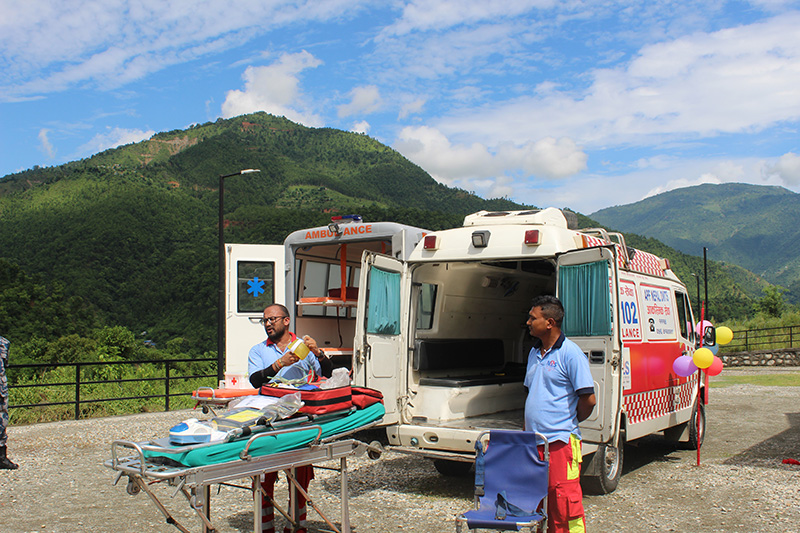
A life-saving initiative to help establish trauma care hubs along Nepal’s major highways, providing immediate and life-saving care to trauma victims through faster response, stabilization, transfer, and access to emergency services.
Strategic Locations
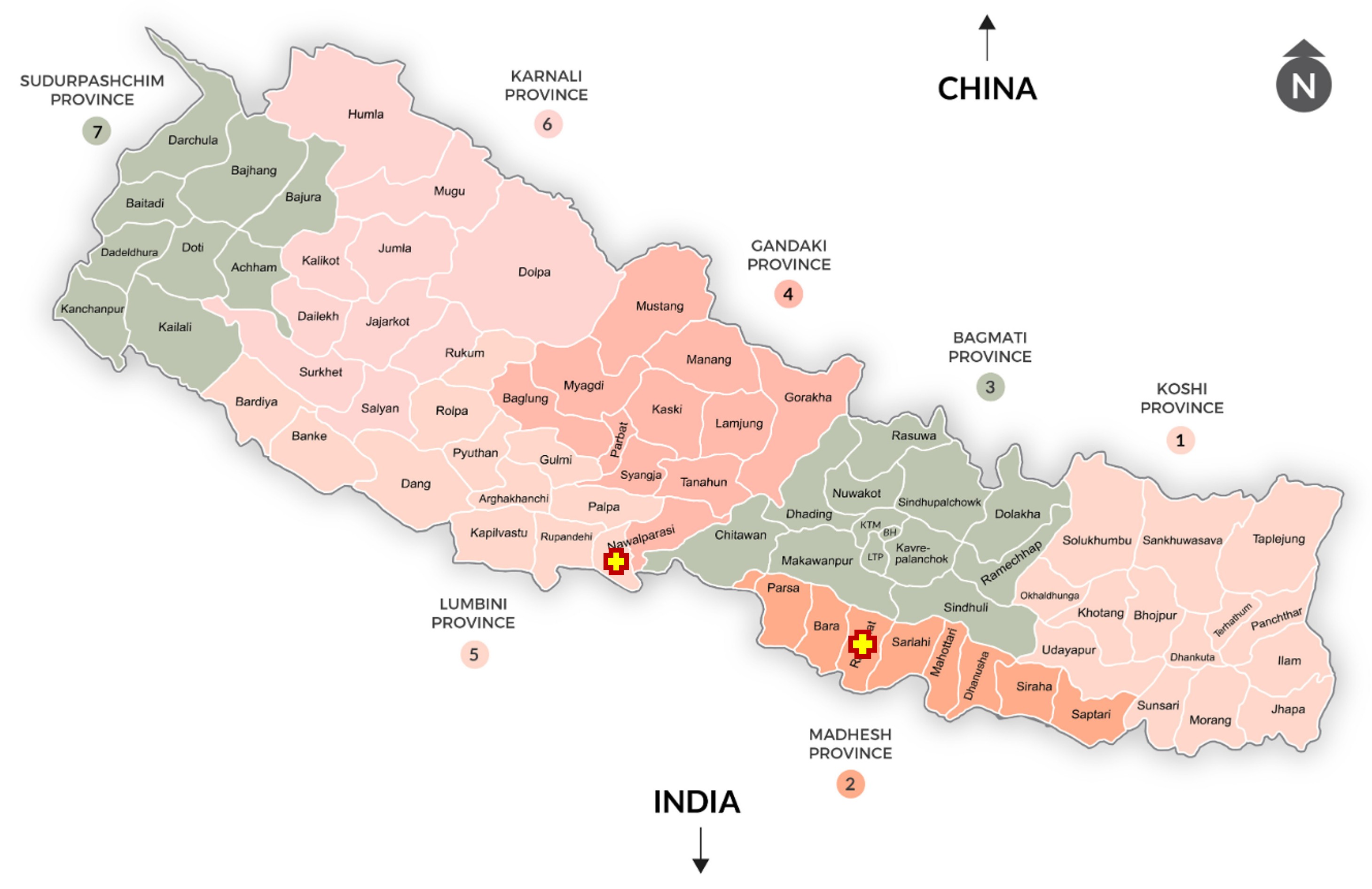
Two trauma hubs are being started in Nawalparasi East and Rautahat districts in coordination with local City Hospitals.
Local Partnership
Implementation is being carried out with cooperation and coordination from local municipalities and institutional partners.
Emergency Response
The model is built to improve immediate trauma stabilization, transfer, and access to life-saving emergency care.
24/7
Emergency Response Goal
2
Trauma Hubs
2
Districts
24/7
Emergency Care Goal
∞
Lives to Save
Vision
No life lost due to delayed emergency care
To create a trauma care network that ensures no life is lost due to delays in emergency medical care along Nepal’s highways.
Mission
Strategically located trauma hubs
To support and establish strategically located trauma hubs at various locations for efficient travel time along major highways, offering immediate trauma care services.
Purpose
Why the project matters
The project aims to help establish a network of trauma care hubs along Nepal’s major highways to provide immediate and life-saving care to trauma victims. This initiative addresses high mortality and morbidity associated with road traffic accidents by ensuring efficient and timely responses to trauma incidents. Services at the hubs are intended to be provided free of charge for emergency trauma care, prioritizing accessibility and equity for all.
Project Facts
- Trauma Hub Project in Nepal (May 2026 - May 2031)
- Funded by Subonita Foundation USA
- Implemented by BNMT Nepal
- Oversight and coordination by Subonita Health Foundation Nepal
- Current hubs starting in Nawalparasi East and Rautahat
Background
The highway trauma gap in Nepal
Nepal’s road infrastructure, including major highways such as the East-West Highway, Prithvi Highway, and other major transport corridors, experiences high rates of road traffic accidents. Over the past decade, road accidents have claimed approximately 24,095 lives and left more than 50,000 individuals with severe injuries. In fiscal year 2080/81 alone, 2,369 people lost their lives due to road accidents, equivalent to a daily death toll of seven. Although the Government of Nepal announced plans in FY 2077/78 to expand trauma services along major highways, implementation has lagged due to inadequate planning, lack of resources, and fragmented budget allocation.
Current Project
Present implementation status
Trauma Hub Project in Nepal (May 2026 - May 2031) is funded by Subonita Foundation USA and implemented by BNMT Nepal. The project is oversight and coordinated by Subonita Health Foundation Nepal.
Currently two Trauma Hubs in Nawalparasi East and Rautahat districts are being started with cooperation and coordination with local municipalities in their respective City Hospitals.
System Architecture
Five-layer trauma care model
The trauma hub is not a single facility but a layered system. Each layer addresses a different level of response, from immediate stabilization to long-term system strengthening.

Layer 1
Urgent Care
Immediate trauma response, airway management, bleeding control, and stabilization at the point of care.
Layer 2
Clinical Care
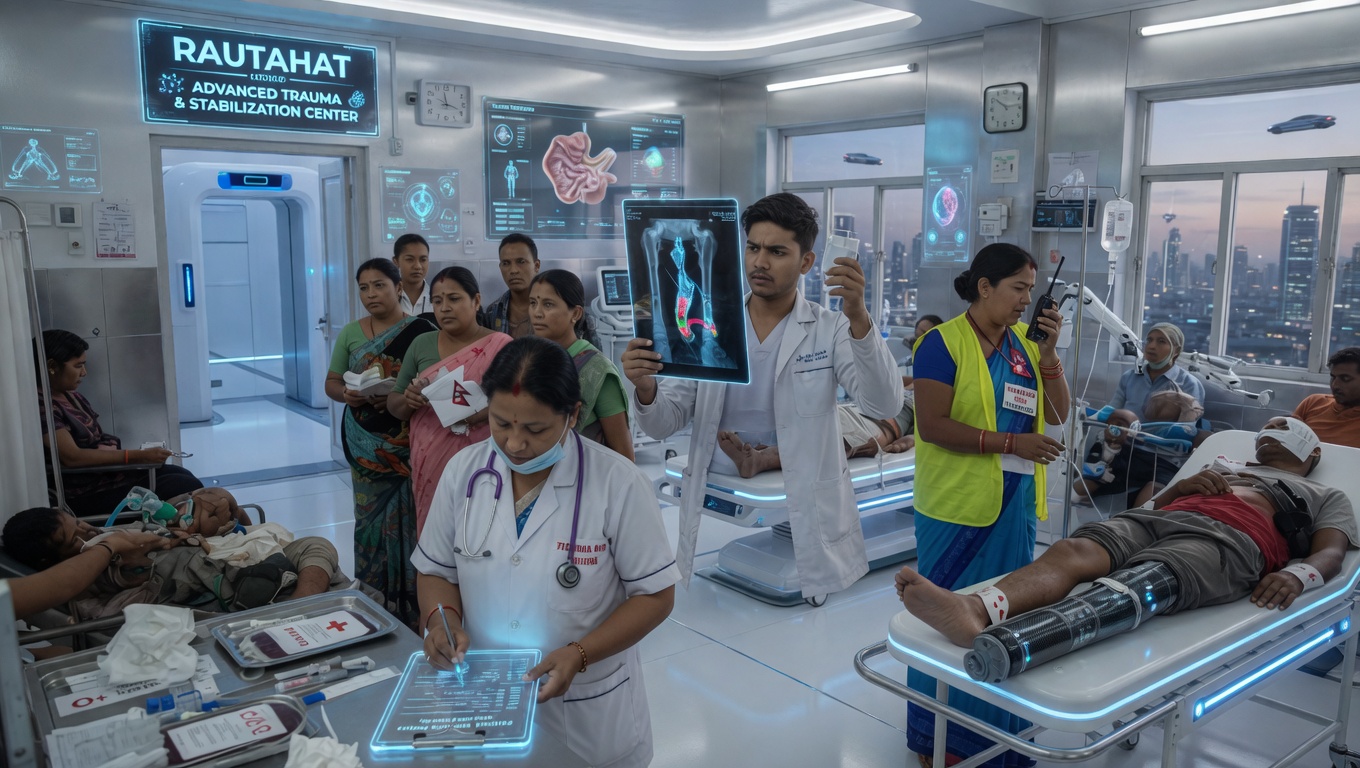
Structured trauma protocols, trained healthcare professionals, and coordinated transfer to higher-level facilities.
Layer 3
Community Care
First responders, public awareness, and local engagement to reduce response time and improve early intervention.
Layer 4
Capacity Building
Continuous training, skill development, and system readiness for healthcare workers and support teams.

Layer 5
System Strengthening
Policy alignment, data systems, coordination, and long-term integration into the national health system.
Core Interventions
How the project operates
Intervention 1
Pilot Trauma Hubs
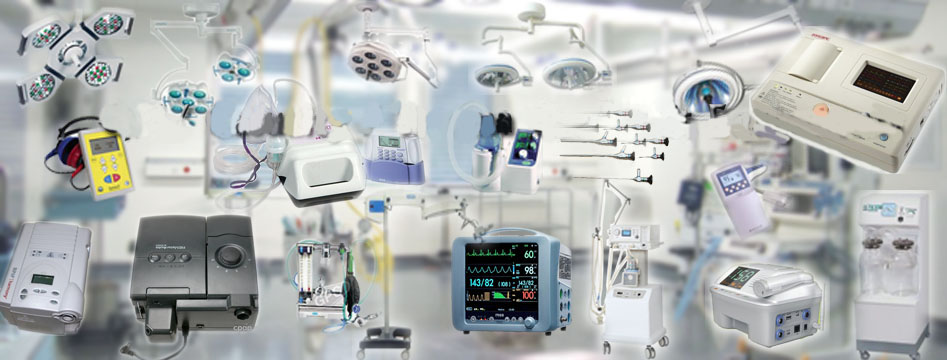
Support establishment of pilot trauma hubs in high-priority locations by utilizing existing healthcare facilities and human resources. Equip these hubs with essential trauma care equipment including ventilators, monitors, spinal boards, and emergency drugs.
Intervention 2
Stakeholder Collaboration
Engage the Ministry of Health, Provincial and Local governments, and other stakeholders for coordinated implementation. Partner with ambulance services and first responders for seamless patient transfer and emergency response.
Intervention 3
Capacity Building
Train healthcare workers including doctors, nurses, and paramedics in trauma care protocols. Develop and distribute trauma response kits for first responders to improve readiness and quality of care.
Intervention 4
Awareness Campaigns
Launch public awareness campaigns on road safety and the availability of trauma hubs. Engage communities in accident-prone areas for quicker reporting, response, and support.

Conclusion
A structured and scalable approach
The Subonita Health Foundation Nepal Trauma Hub Project seeks to address a critical gap in emergency trauma care along Nepal’s highways. By organizing interventions into short, medium, and long-term goals, the initiative establishes a structured and sustainable framework for reducing road accident fatalities and injuries. Through strategic planning, stakeholder collaboration, targeted equipment support, healthcare worker training, public awareness, and phased implementation, the project aims to transform trauma care accessibility and save lives.